Spray the line of ants on the counter in a Harrisburg kitchen and, for an hour, the problem looks solved. By the next morning there are often more ants, in more places, following new routes around the room. That rebound is not bad luck. It is how repellent sprays interact with how an ant colony actually works, and understanding it changes what you do next.
Most kitchen ants are not living in your kitchen. They are foragers from a colony outdoors or in a wall void, following a scent trail to food and water and carrying what they find back to feed larvae and the queen. Kill only the foragers and the colony replaces them. Scatter them with a repellent and they may split into new trails, which looks like a worse infestation because, in a practical sense, it is.
Bait and repellent do opposite jobs
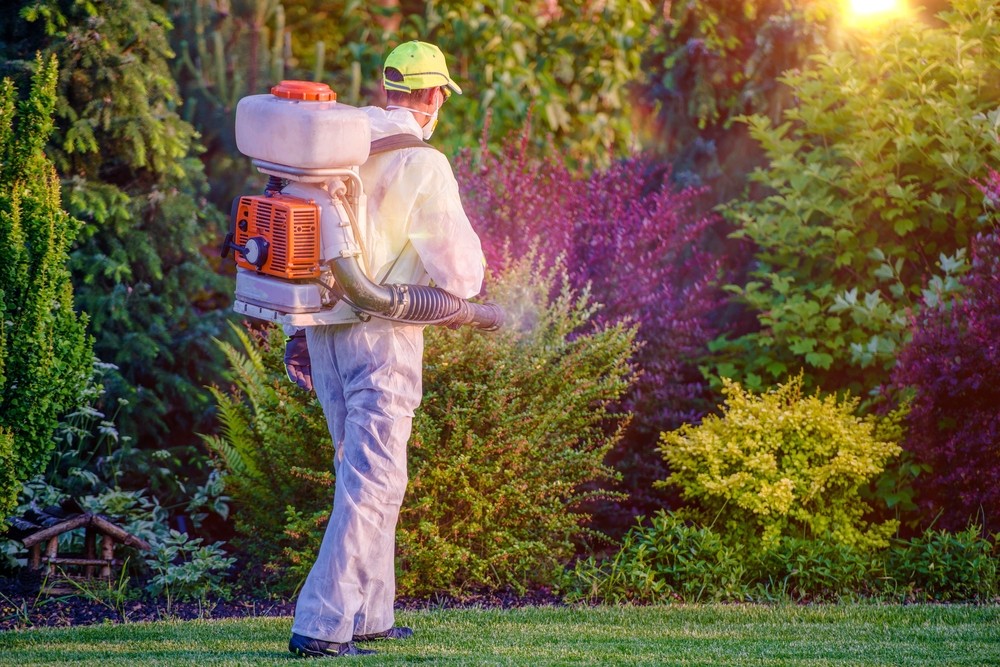
A repellent spray is meant to kill or drive away insects on contact. That is useful on a door frame you want cleared right now, but poor strategy against a feeding trail, because the ants that survive never carry anything useful back to the nest. Bait works the other way. It is food laced with a slow-acting active ingredient, placed where ants are already feeding, so workers share it through the colony before it takes effect. Speed is the point of the delay. A bait that kills in minutes only kills the ants that touched it.
A practical sequence that respects that logic
- Identify the trail, do not erase it yet. Watch where ants enter, where they cluster, and what they are feeding on. Sweet-feeding and grease-feeding ants prefer different baits, so what they are eating in your kitchen is real information.
- Remove competing food. Wipe grease from the stove edge, seal cereal and sugar, rinse recyclables, and fix the slow drip under the sink. Bait competes poorly with a free buffet, and water alone can keep a trail coming.
- Place bait on the trail, not beside it. Put stations or gel placements along the active route, near entry points, out of reach of children and pets and exactly as the label directs. More small placements on the path beat one large placement across the room.
- Do not spray the trail while baiting. Repellent on or near bait contaminates it and drives ants off the route you are trying to feed them on. Clear other areas if you must, and leave the baited trail alone.
- Expect a busy first few days. Feeding often increases at first as workers recruit to the bait. That surge is the system working, not failing. Judge the result over one to two weeks, not one evening.
- Seal the entry once activity drops. Caulk the gap at the window frame, pipe, or baseboard the trail used. Sealing too early can trap ants inside wall voids and push them to new exits indoors.
Outdoor habits that keep pressure low
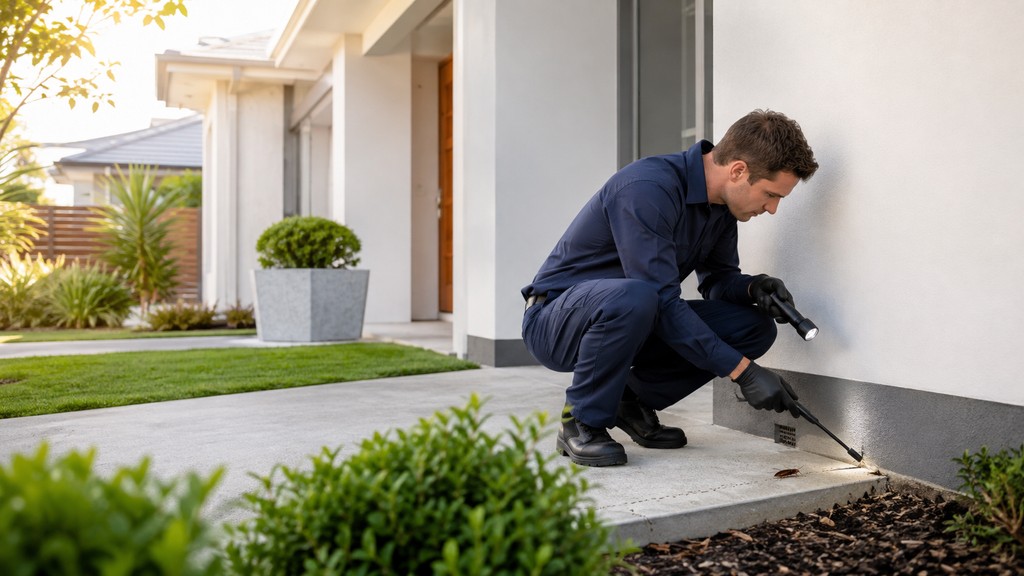
Ants bridge into houses on tree limbs and shrubs touching siding, through mulch piled against the foundation, and along utility lines. Trim vegetation off the house, keep mulch a few inches below siding, and move pet food bowls away from exterior doors. In Harrisburg summers, irrigation and potted plants against the wall create the moisture ants scout for. Green Pest Control lists perimeter treatments among its services, and a perimeter approach makes the most sense once indoor feeding has been addressed, as a way to lower the number of colonies pressing on the house rather than as a substitute for baiting an active trail.
Where the do-it-yourself line sits
A single trail to a spill, handled with cleaning and a correctly placed bait, is a reasonable home project. Call for help when ants appear in multiple rooms, when they are in food storage despite a clean kitchen, when you see large ants and find damaged or hollow-sounding wood, or when baiting for two weeks changes nothing. Carpenter ants, in particular, are a different problem from small sugar ants, because they excavate damp wood. Size, sawdust-like debris, and nighttime activity are clues worth reporting accurately rather than treating as the same kitchen nuisance.
Common questions
Why did the ants come back stronger after I sprayed?
Repellents scatter foragers and can cause a colony to bud or reroute, so you see more trails. Baiting an undisturbed trail usually avoids that pattern.
How long does bait take to work?
Expect increased feeding for a few days and a clear decline over one to two weeks for many common house ants. Large or multiple colonies take longer.
Is bait safe to use around a kitchen?
Used exactly as labelled, in placements out of reach of children and pets and away from food-contact surfaces, bait stations are designed for indoor use. Follow the label over any general advice.
Photos in this guide are representative stock images.
← All guides from Green Pest Control← Back to Green Pest Control