Two Harrisburg homeowners can both say they have roaches and be describing entirely different problems. One has a German cockroach infestation living inside kitchen hinges and appliance motors, breeding indoors and indifferent to the weather. The other has large American cockroaches, often called palmetto bugs locally, wandering in from mulch, sewers, and crawlspaces. Treating the second like the first wastes weeks. Treating the first like the second barely dents it.
Troubleshooting starts with identification, because size, place, and pattern separate the two more reliably than a quick glance at night. Work through the steps below before reaching for any product.
Step through the diagnosis
- Look at size and markings. German cockroaches are small, about half an inch, light brown, with two dark parallel stripes behind the head. American cockroaches are much larger, reddish-brown, with a pale edge on the shield behind the head.
- Note where you see them in daylight. German cockroaches seen in the open by day usually signal a heavy indoor population pressing out of hiding. American cockroaches are more often single wanderers near doors, drains, garages, and bathrooms.
- Check the harbourage, not just the sighting. For German cockroaches, inspect under sinks, inside cabinet hinges, behind the refrigerator, and around coffee makers and microwaves for live insects, shed skins, and pepper-like droppings. For American cockroaches, check crawlspaces, mulch beds, and floor drains.
- Count and track the pattern for a week. Nightly sightings in the kitchen that increase despite cleaning point to an indoor breeding population. Occasional large roaches after rain or in summer point to outdoor pressure and entry gaps.
- Match the response to the finding. German cockroaches need targeted bait placements in harbourages, sanitation, and usually professional treatment over multiple visits. American cockroaches need entry sealing, moisture control, and perimeter work more than indoor baiting.

Why German cockroaches are the harder problem
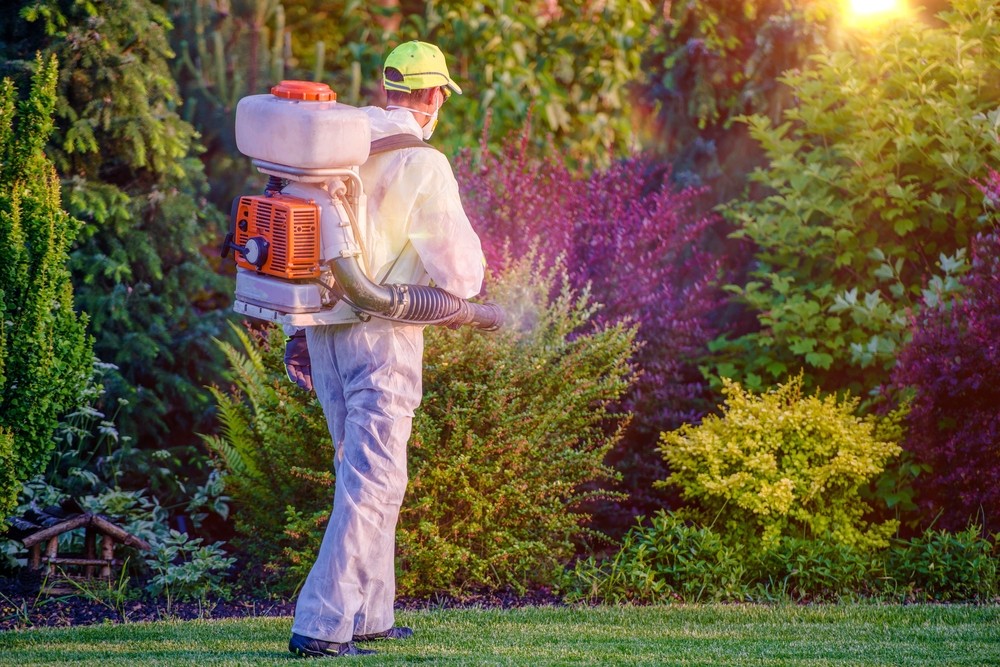
A German cockroach female carries her egg case until just before it hatches, protecting dozens of nymphs at a time, and generations turn over quickly indoors. Many populations also show resistance to common sprays, and repellent products can scatter them deeper into appliances and wall voids, spreading the infestation to new rooms. That is why foggers are a poor answer here: they kill exposed insects, drive others deeper, and leave the harbourages that matter untouched. Gel baits placed precisely where the insects shelter, combined with vacuuming, sanitation, and follow-up, are the standard approach. Green Pest Control offers targeted treatments in Harrisburg, and for this species the targeted part is the whole point.
What to do yourself, and when to stop
For either species, reduce water and food access: fix drips, wipe grease, store food sealed, and vacuum crumbs from under appliances. Declutter cardboard and paper near harbourages, which shelter German cockroaches and their egg cases. Seal gaps around pipes and doors to slow American cockroaches. Stop the do-it-yourself route and call a professional when you see daytime German cockroaches, find egg cases, have an infestation spreading room to room, or have tried over-the-counter products for a few weeks without a clear decline. Note what you have already applied and where, since prior repellent use changes where a professional can place bait effectively.
How infestations start, and how to keep yours from restarting
German cockroaches almost never walk in from the yard. They arrive in cardboard boxes, secondhand appliances, grocery bags, and luggage, which is why a new infestation often follows a delivery, a move, or a used refrigerator or microwave. Inspect those items before they settle into the kitchen, keep cardboard out of food storage areas, and act on the first sightings rather than waiting to see whether they repeat, because a small, new population is far easier to eliminate than an established one spread through several rooms. American cockroaches restart differently: through the same gaps, drains, and mulch contact that admitted the last ones. Keeping the sealing, drainage, and sanitation habits in place after treatment is what prevents the seasonal return, and a quick monthly check under sinks and behind appliances catches either species while the problem is still small.
Common questions
Does seeing one large roach mean I have an infestation?
Usually not. A single large American cockroach is often an outdoor wanderer. Repeated sightings, droppings, and egg cases indoors are the signs of an established problem.
Why did a fogger make the roaches spread?
Foggers are repellent and reach exposed surfaces only. German cockroaches retreat deeper into harbourages and emerge in new areas, while the breeding sites remain active.
How long does German cockroach treatment take?
Expect multiple visits over several weeks, because egg cases hatch after treatment and baits need time to work through the population. A single visit rarely ends it.
Photos in this guide are representative stock images.
← All guides from Green Pest Control← Back to Green Pest Control