Mosquito season in Harrisburg runs long. Warm nights arrive in spring, summer thunderstorms leave water standing in every low spot, and biting pressure can stay noticeable well into fall. Yard treatments can lower that pressure for a gathering or a few weeks of evenings outside, but they have clear limits, and a checklist tells you more honestly what to expect than any promise of a mosquito-free yard.
Use the checklist below in order. The first section is about water, because no treatment outperforms a yard that keeps producing new mosquitoes every few days. The second is about what treatments actually do. The third is about timing, so you judge results fairly.
First pass: find where mosquitoes are being made
Many common mosquitoes need only a small amount of still water to complete their life cycle. A bottle-cap amount is enough for some species to lay eggs, and in summer heat development from egg to adult can take about a week. That speed is why a yard can feel treated and still produce fresh mosquitoes if breeding sites remain.
Standing-water and shelter checklist
- Tip and store buckets, watering cans, toys, and tarps so they cannot hold water after rain. Fail sign: any container still holding water three days after a storm.
- Clean gutters and check downspout extensions. Fail sign: sagging gutter sections or splash blocks ponding against the foundation.
- Refresh birdbath water at least weekly and scrub the basin. Fail sign: visible larvae, which look like tiny wriggling commas at the surface.
- Check corrugated drain pipe, French drain outlets, and low lawn spots after storms. Fail sign: water standing more than four days in the same place.
- Thin dense ground cover and trim shrubs near seating areas. Adult mosquitoes rest in shaded, humid vegetation during the day, so harbourage near the patio matters.
- Cover rain barrels with fine mesh and check it after storms. Fail sign: torn mesh or an open overflow that lets adults in to lay eggs.
What a yard treatment does, plainly
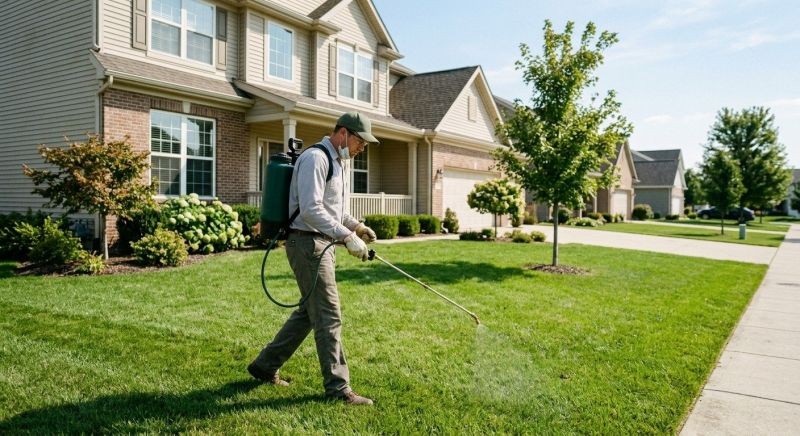
A typical barrier or yard treatment applies a residual product to vegetation and shaded surfaces where adult mosquitoes rest, and in some programmes a larvicide goes into water that cannot be drained. The resting-surface treatment reduces adults that land there over the following weeks. It does not create a force field at the property line. Mosquitoes fly in from neighbouring yards, woods, and ditches, especially at dusk and after wind, so a treated yard next to untreated breeding habitat will still see arrivals.
Green Pest Control offers mosquito control in Harrisburg, and the honest framing for any such service is reduction, not elimination. Expect fewer bites and a yard that is more usable in the evening, with results that vary by weather, lot size, surrounding habitat, and how well standing water was handled first. Heavy rain shortens residual life. Dense shade and irrigation keep surfaces moist and attractive to resting adults.
Timing and habits that make treatments count
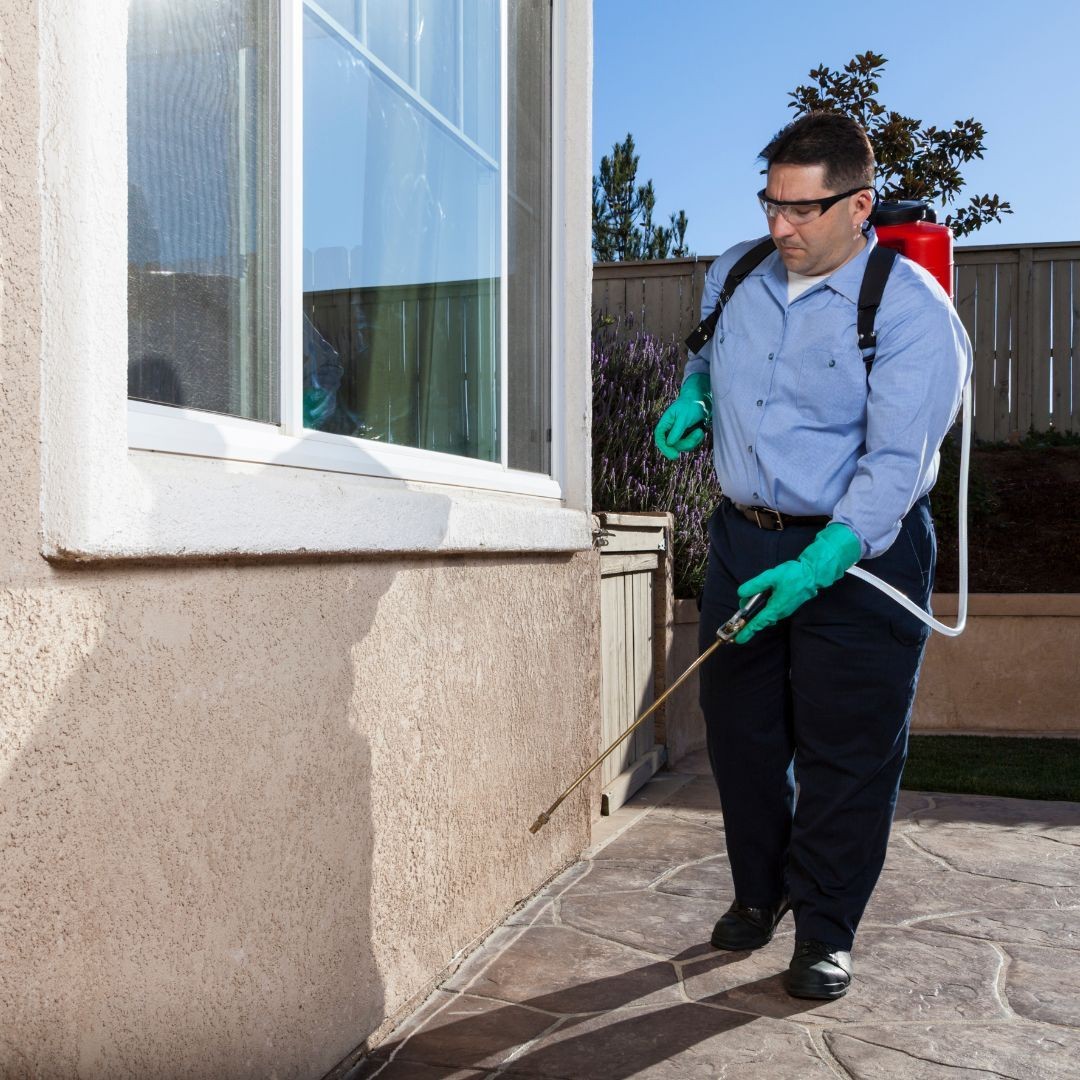
Treat before the season peaks rather than after the worst weekends, and keep the water checklist running all season, because a single missed container restarts production. Run outdoor fans at seating areas; mosquitoes are weak fliers and moving air genuinely disrupts them. Wear repellent as directed for dawn and dusk work in the garden, when pressure is highest, rather than judging the whole yard by those two hours. If bites stay heavy despite source removal and treatment, note whether the problem is worst after rain, at a particular time, or near one boundary. That pattern points to where the mosquitoes are coming from, which is more useful than simply applying more product everywhere.
A note on ponds, ditches, and shared water
Some breeding sites sit at the edge of a property or are shared with neighbours: a drainage ditch, a low swale between lots, or a retention pond for the street. You cannot drain those, and you should not apply products to shared or public water on your own. What you can do is keep your side clear of the vegetation and debris that shelter adult mosquitoes near the house, note whether the shared water holds larvae through the summer, and raise persistent standing water through your homeowners association or the county where a blocked ditch is the cause. Treatment on your own lot still helps in that setting, because it cuts the resting population around your doors and seating, even though new adults will keep arriving from the shared source across the season.
Common questions
How long does a yard treatment last?
Residual treatments commonly hold for a few weeks, shortened by heavy rain and heavy irrigation. Programmes are usually scheduled on a recurring interval through the season for that reason.
Will treating my yard stop mosquitoes from next door?
No. Treatment reduces mosquitoes resting and breeding on your lot, but adults fly in from nearby habitat, so results are a reduction in bites, not zero mosquitoes.
What single fix helps most?
Removing or refreshing standing water every week. It interrupts breeding at the source, which no adult treatment can fully compensate for if it is skipped.
Photos in this guide are representative stock images.
← All guides from Green Pest Control← Back to Green Pest Control