A scratching sound above the ceiling at night in a Harrisburg home usually means rats or mice have found the attic warm, quiet, and close to food below. The instinct is to set traps or, worse, to scatter poison and wait. Both can kill individual rodents. Neither, on its own, answers the only question that ends the problem: how are they getting in, and can they still get in tomorrow?
Exclusion, meaning sealing entry points with materials rodents cannot chew through, is the work that makes everything else stick. This comparison lays the main options side by side so the order of operations is clear. Trapping has a role. Poison, used carelessly indoors, often creates a worse problem than the one it was meant to solve.
How rodents get in, and why the gap is smaller than you think
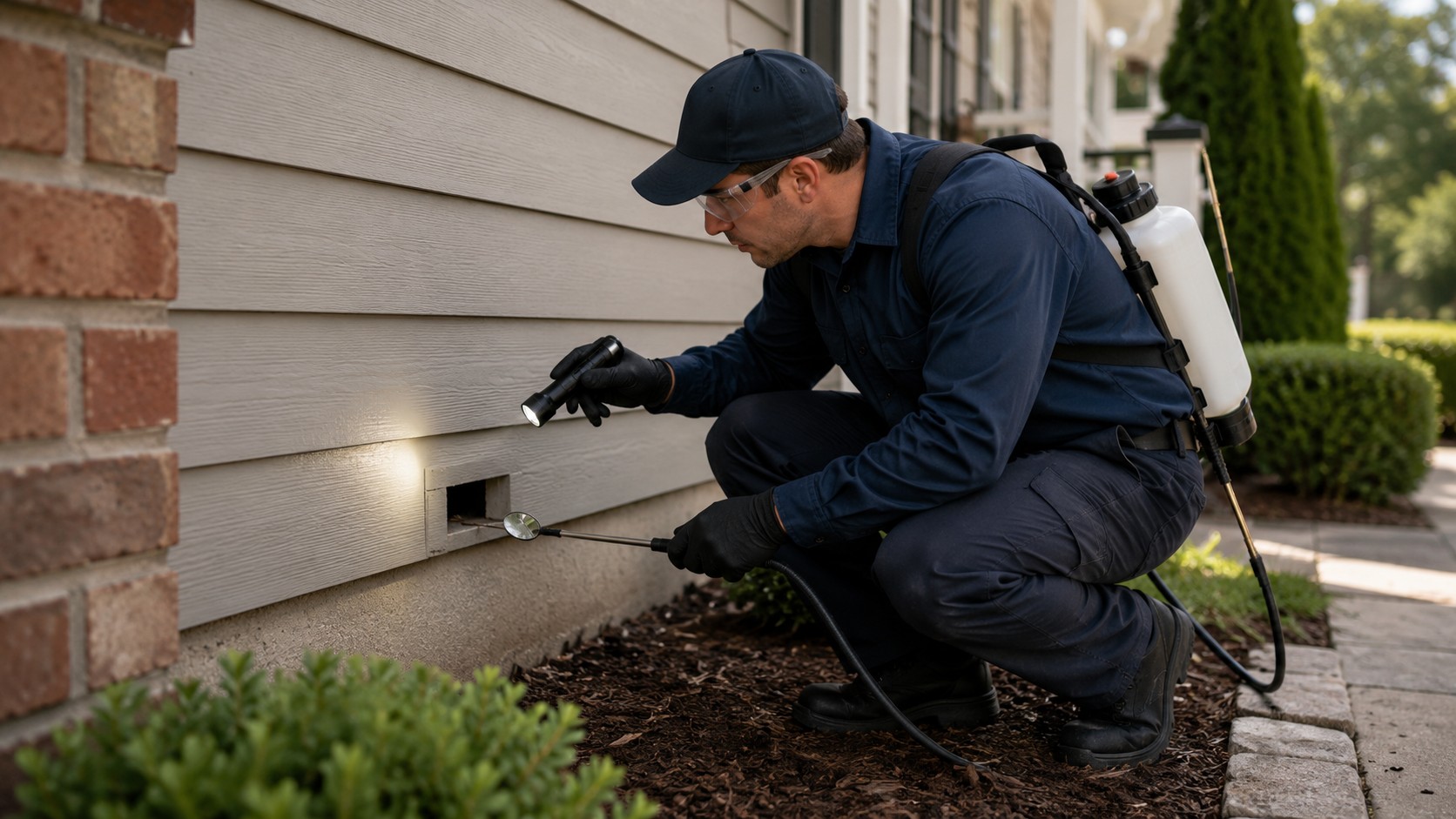
A house mouse can pass through an opening about the width of a pencil. Rats need a larger gap, roughly the width of a thumb, but they gnaw edges to enlarge them. Common entries in Piedmont homes include gaps at roof returns and eaves, unsealed plumbing and wiring penetrations, torn crawlspace vents, gaps under garage doors, and openings where utility lines enter. Attic activity without a found entry usually means the entry has not been found yet, not that there is none.
The options, side by side
| Approach | What it does well | Where it fails | Best role |
|---|---|---|---|
| Exclusion and sealing | Stops new animals entering; solves the route, not just the animal | Labor-intensive; missed gaps undermine it; does not remove animals already inside | Foundation of any lasting plan, done alongside removal |
| Snap traps and live traps | Confirms activity, removes animals indoors, no poison residue | Only catches what is present; needs correct placement and checking | Removing the current population once entries are identified |
| Poison bait indoors | Can kill animals you cannot reach | Animals may die in walls or attic, causing odor; risk to pets and wildlife that eat poisoned rodents | Generally a last resort indoors; exterior baiting needs professional judgement |
| Repellents and sound devices | Easy to buy and place | Little reliable effect on established rodents with food and shelter available | Not a substitute for sealing or trapping |
| Habitat and food cleanup | Lowers carrying capacity; fewer attractants at the foundation | Slow on its own; does not close an open eave gap | Support work: bird seed, pet food, firewood, and clutter management |
Why poison alone disappoints in an attic
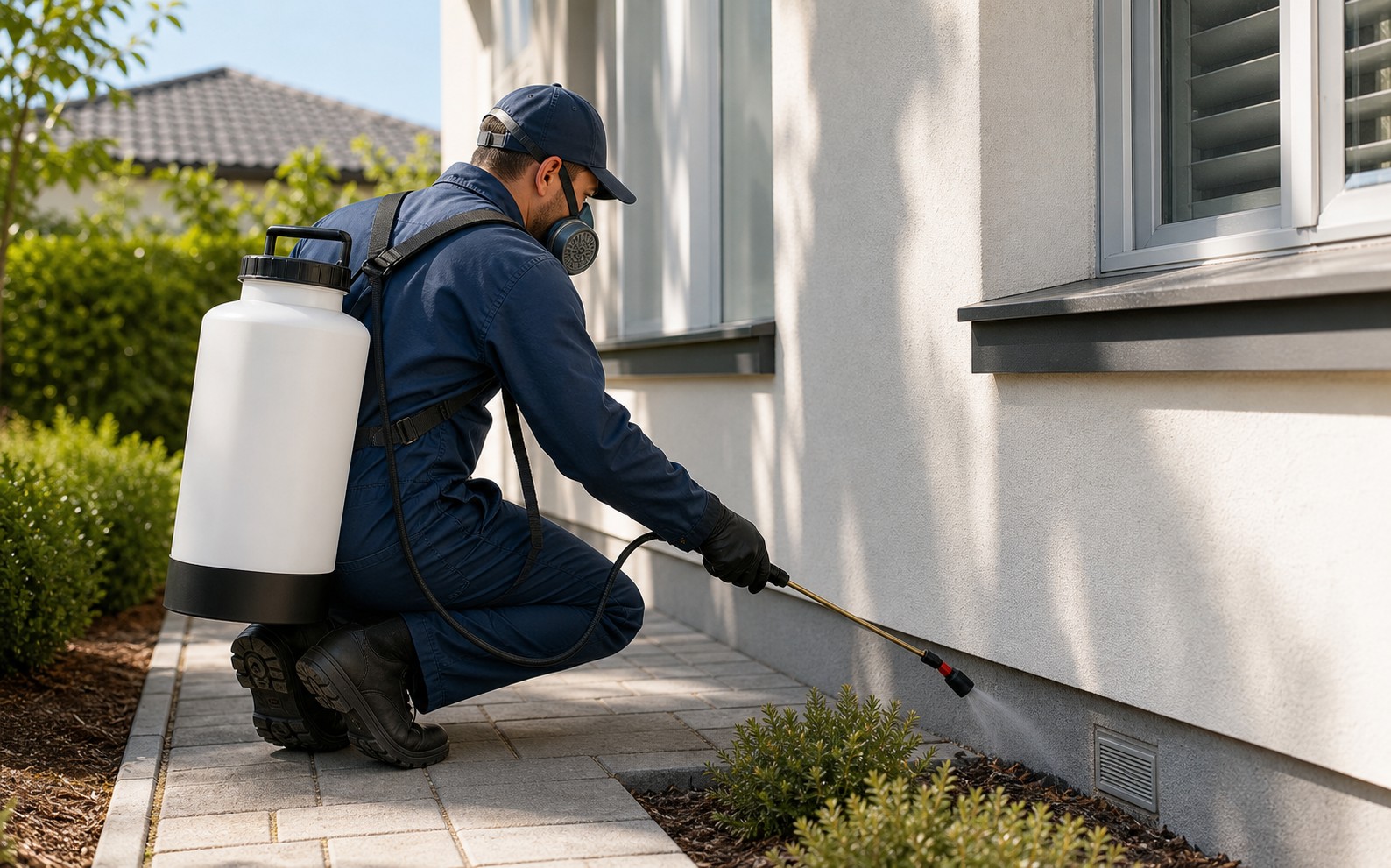
Poison does not control where a rodent dies. In an attic or wall void in summer heat, a dead rat produces a strong odor for days to weeks and can draw flies, and the entry route remains open for the next animal. There is also secondary risk: pets and wildlife, including hawks and owls, can be harmed by eating poisoned rodents. For those reasons many professionals, including Green Pest Control with its rodent control service in Harrisburg, put exclusion and trapping first and treat poison as a narrow tool, not the plan.
A sensible order of work
Start with an inspection that produces a list of entry points, ideally with photos, and evidence of species and activity level from droppings, gnaw marks, and rub marks along runs. Seal with rodent-resistant materials: metal flashing, hardware cloth, copper mesh with sealant, and concrete where appropriate. Foam alone is not a seal; rodents chew through it. Set traps along walls and runs, check them frequently, and only consider the job done after a period with no new droppings, no trap activity, and no night sounds. Then clean up droppings safely, without dry-sweeping them into the air, and address soiled insulation if contamination is heavy.
Cleaning up after the animals are gone
Removal is not the end of the work. Droppings and urine-soaked insulation in an attic carry odour that attracts other rodents and, handled badly, put dust you do not want to breathe into the air. Wet contaminated material before handling it, wear a fitted mask and gloves, bag waste rather than sweeping it dry, and wash hands and tools afterwards. Badly soiled insulation may need removing and replacing, which also restores its insulating value. Check stored items in the attic for gnawing and nesting, especially cardboard boxes, which rodents shred readily. A clean, dry, sealed attic with no food or nesting material is far less interesting to the next animal that tests the roofline, and the inspection photos from the original work give you a baseline for the next check.
Common questions
If I seal the holes, will rodents be trapped inside?
That is a real risk, which is why removal and sealing are planned together. One-way exits or trapping before final sealing prevents animals being shut in.
What size gap should I bother sealing?
Seal anything a pencil can fit through for mice, and assume rats will enlarge smaller gnawed edges. If daylight or a draft shows at a penetration, seal it.
How long until the attic is quiet?
With entries found and trapped animals removed, activity often drops within days, but monitoring should continue for a few weeks to confirm no route was missed.
Photos in this guide are representative stock images.
← All guides from Green Pest Control← Back to Green Pest Control